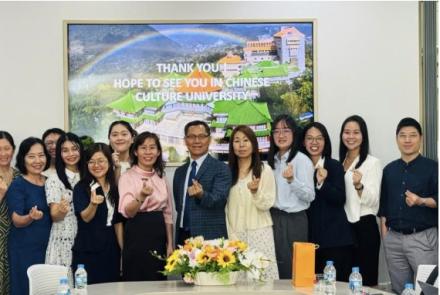
Workshop On “The Application Of Artificial Intelligence (AI) In Teaching Accounting Simulation Courses”




Amid the rapid advancement of digital transformation, Artificial Intelligence (AI) is increasingly being integrated into accounting, finance, and business management practices. This trend has created an urgent need for academics to continuously update their technological knowledge, innovate teaching methods, and enhance their capacity to integrate AI into educational activities.
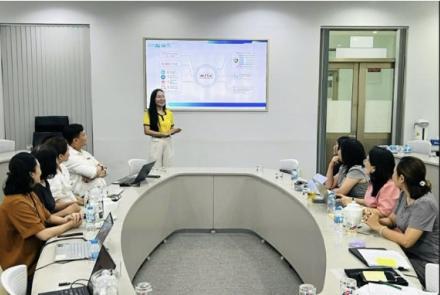
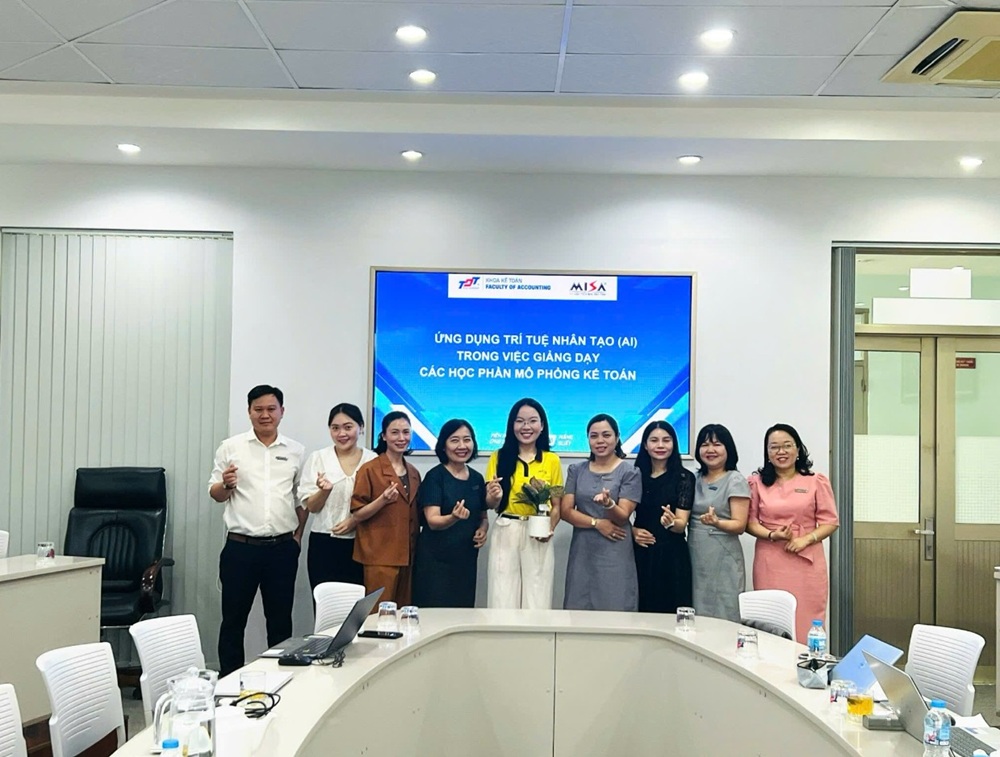
To facilitate lecturers’ access to emerging technological trends in accounting education, on June 11, 2026, the Faculty of Accounting at Ton Duc Thang University organized a workshop entitled “The Application of Artificial Intelligence (AI) in Teaching Accounting Simulation Courses” at Meeting Room B.
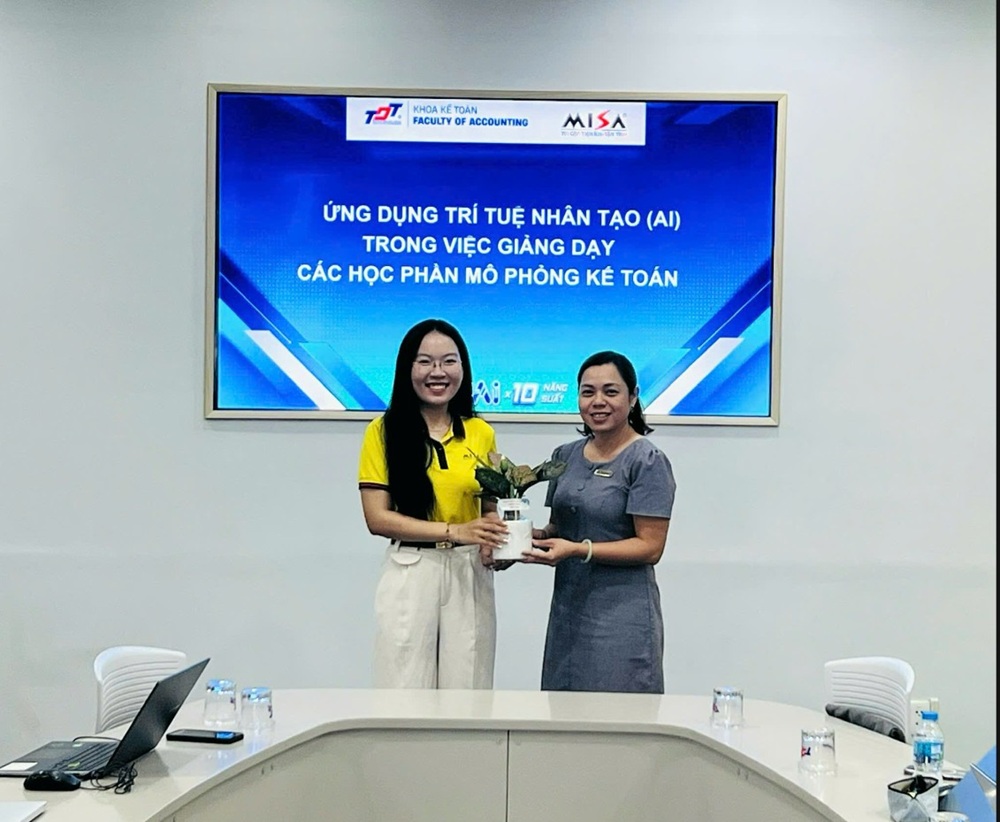
The workshop was attended by Dr. Nguyen Thi Thanh Huong, Assistant to the Dean of the Faculty of Accounting, along with faculty members of the Faculty. Representing the industry partner was Ms. Nguyen Le Hien Thao, Educational Partnership Manager at MISA Joint Stock Company.
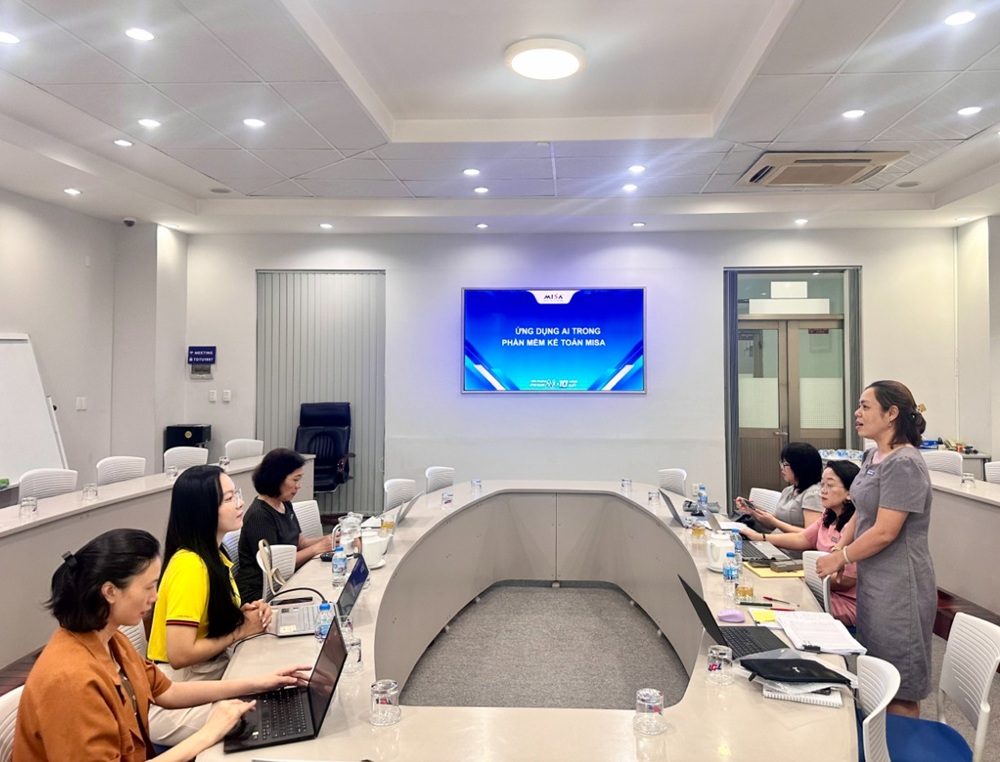
In her opening remarks, Dr. Nguyen Thi Thanh Huong expressed her appreciation to MISA for its continued collaboration with the Faculty in academic activities and technology sharing initiatives. She emphasized that the workshop topic is highly relevant to current educational trends and noted that AI-enabled features available in MISA software are expected to be integrated into teaching activities in the near future through the company’s support programs.
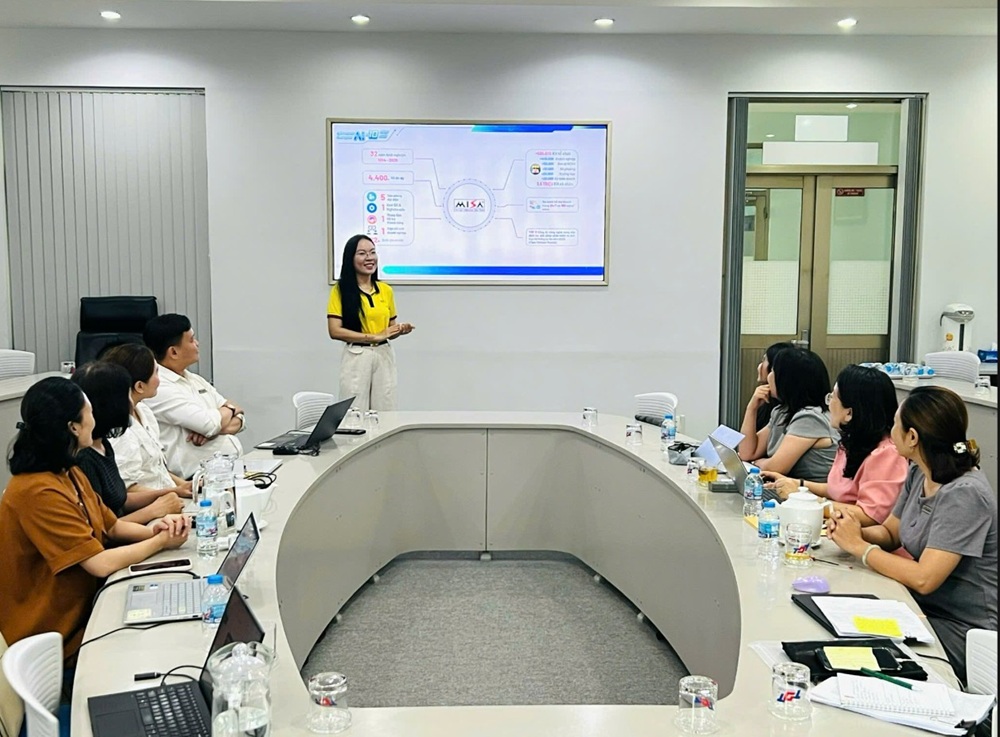
During the presentation session, representatives from MISA introduced various AI and automation features embedded in MISA SME and MISA EDU accounting software, providing faculty members with practical insights into digital transformation trends within the accounting profession.
Key topics discussed during the workshop included:
- The application of AI in automating accounting data entry through bank statement extraction, transaction reconciliation, and automatic generation of accounting vouchers;
- Customer information recognition and mapping mechanisms based on bank account numbers to support accounts receivable reconciliation;
- Features supporting invoice verification, data review, and warning notifications on the MISA EDU simulation platform;
- Alert systems for missing documents, overdue receivables reminders, and tax risk control support;
- An introduction to the MISA Agent ecosystem and data administration authorization mechanisms for teaching purposes;
- Plans for transferring MISA EDU software and sample datasets to support the delivery of accounting simulation courses.
In addition, the speaker shared practical experiences regarding the preparation of technical infrastructure for software-based practical examinations, as well as the support that MISA can provide during the implementation of training activities at the Faculty.
The workshop was conducted in an interactive and engaging atmosphere, featuring lively discussions and numerous practical questions from lecturers concerning the integration of AI into teaching, the development of enterprise simulation datasets, and the organization of practice-oriented accounting courses on digital platforms.
Through the workshop, lecturers of the Faculty of Accounting not only gained updated knowledge of emerging technological trends in accounting and finance but also acquired practical perspectives on integrating AI into teaching activities. These insights are expected to contribute to enhancing educational quality and meeting the digital transformation requirements of higher education.
Below are some highlights from the workshop:
- Log in to post comments